“coffee-producing region” search results (500)

Characteristics of Honduran Coffee Development of Honduran Coffee
The upheaval may have made Honduras a seemingly unpopular coffee-producing region, but it is one of Central America's leading coffee exporters, second only to Guatemala. Seventh Indonesia: it seems that the annual output of cat shit can also be forgotten: 702000 tons of coffee producers in Java and Bali focus on growing and processing specific varieties of coffee beans.
2016-05-27 Honduras coffee characteristics development course unrest current situation perhaps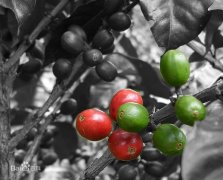
Djimmah is medium in texture and rugged with earthy Ethiopian boutique coffee beans.
The coffee-producing region of Ethiopia is divided into east and west parts by the East African Rift Valley, with lakes, volcanoes, lowlands, plateaus and woodlands interlaced, each evolving. Ethiopia has the most diverse coffee ecosystem in the world (forest coffee, semi-forest coffee, pastoral coffee and plantation coffee), which also preserves its rich Arabica genes. The eastern half is mostly plateaus, coffee beans.
2016-07-04 Gemma Djimmah texture medium rough rustic Ethel Searle
Introduction to the characteristics of taste varieties produced by the grindability treatment of coffee at La Tisa Manor in Guatemala
Vivette Nan Fruit is located in the highlands of northwestern Guatemala, growing at an altitude of 1800-2100 meters. It is the highest coffee-producing area in the country and is famous for producing high-quality beans. Because there are many rivers and lakes in Guatemala, the Vivette Nanguo region is rich in mountains and water resources, dry climate but abundant water resources, and complete water conservancy facilities in this area, so coffee is often washed and added.
2016-10-13 Guatemala Ratti Manor Coffee Grinding processing Taste Variety producing area Special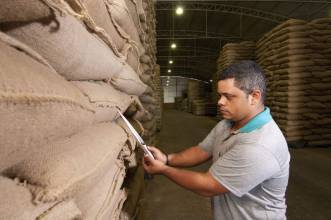
Three treatments of water washing, sun washing and semi-washing in Limu coffee producing area of Ethiopia
The coffee-producing region of Ethiopia is divided into east and west parts by the East African Rift Valley, with lakes, volcanoes, lowlands, plateaus and woodlands interlaced, each evolving. Ethiopia has the most diverse coffee ecosystem in the world (forest coffee, semi-forest coffee, pastoral coffee and plantation coffee), which also preserves its rich Arabica genes. The eastern half is mostly plateaus, coffee beans.
2016-04-18 Ethiopia Coffee producing area Lim Limu washing Solar three kinds
The difference between individual Coffee and Comprehensive Coffee basic knowledge of fine coffee
"single coffee" generally refers to a single style of coffee beans from a single country or producing area. It can be compared to a coffee solo. If a bag of coffee is marked with the name of a coffee-producing country (coffee beans are not produced in continental Europe, and if the label says the names of European cities such as Italy, Vienna, etc., it is not individual coffee.) Generally speaking, it means that this is a bag of individual coffee. Such as
2015-06-19 Single product comprehensive product coffee division boutique foundation common sense single product general reference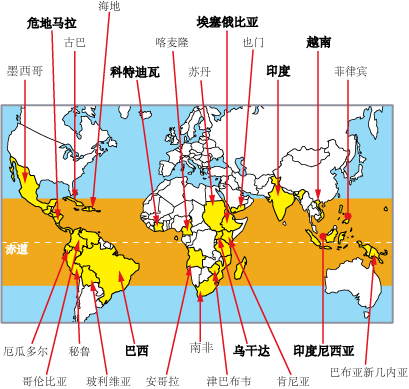
Ethiopian coffee producing areas Ethiopian coffee producing areas are Hilda Moharal and Yega Xuefei.
Ethiopia's coffee-producing areas are divided into east and west parts by the Great Rift Valley. Lakes, volcanoes, lowlands, plateaus and woodlands alternate and evolve independently. Ethiopia has the most diverse coffee ecosystem in the world (forest coffee, semi-forest coffee, pastoral coffee and plantation coffee), which also allows it to preserve its rich Arabica genes. The eastern half is mostly plateau, coffee beans
2016-04-18 Ethiopia coffee producing areas hida moha lar yega snow fly ethiopia
Columbia Coffee Manor Lazmus Manor introduces the coffee producing areas in the Andes
Colombian coffee is divided into more than 200 grades, which means that the coffee is very regional. The country's coffee-producing areas are located in the Andes, where the climate is mild and the air is humid. Colombia has three Codiera mountains running north and south, right into the Andes. Coffee is grown along the highlands of these mountains. The mountain steps provide a diverse climate, and it is the harvest season all year round.
2016-07-11 Colombia Coffee Manor Raz Moss introduction Andes Mountains producing areas
Balanced Antigua coffee varieties with rich aroma Features Taste Manor Boutique coffee beans Flavor medium
Antigua Valley is Guatemala's oldest and best-known coffee-producing region. Volcanoes and shallow water tables create a dry microclimate characterized by low humidity, plenty of sun and cool nights. Antigua is an enclosed valley surrounded by three volcanoes: Agua, Acatenango and
2016-09-01 balanced with rich aroma antioch coffee variety characteristics taste manor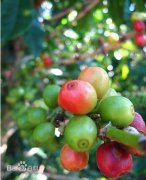
The coffee producing area of Ethiopia is divided into east and west boutique coffee by the East African Rift Valley.
The coffee-producing region of Ethiopia is divided into east and west parts by the East African Rift Valley, with lakes, volcanoes, lowlands, plateaus and woodlands interlaced, each evolving. Ethiopia has the most diverse coffee ecosystem in the world (forest coffee, semi-forest coffee, pastoral coffee and plantation coffee), which also preserves its rich Arabica genes. The eastern half is mostly the plateau.
2016-06-02 Ethiopia coffee producing areas East Africa Rift Valley Segmentation East-West two-part boutique
Papua New Guinea Coffee Estate with Spicy Flavor Taste Characteristics
Papua New Guinea is an island country in the western South Pacific Ocean and a member of the Commonwealth. The name of the country consists of Papua and New Guinea. There are many small islands here, about 600 in size. It borders Indonesia and Australia to the south. It belongs to the Asia-Pacific region, but it is a country in Oceania. It is located in a tropical climate, with high temperatures and rainy days. rich volcanic soil
2016-08-09 with Spice Quality Papua New Guinea Coffee Manor Region Flavor Mouth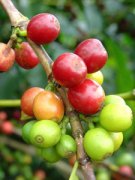
Harald (Harar) Berry delightfully fermented mixed flavors in the Eastern Highlands of Ethiopia
The coffee-producing region of Ethiopia is divided into east and west parts by the East African Rift Valley, with lakes, volcanoes, lowlands, plateaus and woodlands interlaced, each evolving. Ethiopia has the most diverse coffee ecosystem in the world (forest coffee, semi-forest coffee, pastoral coffee and plantation coffee), which also preserves its rich Arabica genes. The eastern half is mostly plateaus, coffee beans.
2016-07-04 Harald Rahl Harar berries delightful fermented fragrant Essel
The geographical conditions of coffee production in Honduras, Santa Barara
For coffee production, the geographical conditions of Honduras are no less than those of its neighboring coffee-producing countries such as Guatemala and Nicaragua. There are 280000 hectares of coffee plantations in Honduras, mainly small coffee plantations, most of which are less than 3.5ha. These coffee plantations account for 60% of the total coffee production in Honduras. In the coffee garden, because the planting land belongs to
2016-06-16 Honduras production coffee geography conditions Sanba Lara for
Introduction to Colombian Coffee with mild Climate and humid Air
Colombian coffee is divided into more than 200 grades, which means that the coffee is very regional. The country's coffee-producing areas are located in the Andes, where the climate is mild and the air is humid. Colombia has three Codiera mountains running north and south, right into the Andes. Coffee is grown along the highlands of these mountains. The mountain steps provide a diverse climate, and it is the harvest season all year round.
2016-06-30 Climate mild damp wet Columbia coffee introduction Colombia
Introduction of Honduran coffee with rich and well-balanced taste
For coffee production, the geographical conditions of Honduras are no less than those of its neighboring coffee-producing countries such as Guatemala and Nicaragua. There are 280000 hectares of coffee plantations in Honduras, mainly small coffee plantations, most of which are less than 3.5ha. These coffee plantations account for 60% of the total coffee production in Honduras. In the coffee garden, because the planting land belongs to
2016-06-22 Taste rich balanced Honduras coffee introduction for production Hong
Is the Colombian coffee producing area located in the foothills of the Andes?
Colombia's coffee-producing region is located in the foothills of the Andes, where the climate is mild and the air is humid. Colombia has three Cordilleras mountains (sub-mountain system) running north and south, right into the Andes. Coffee is grown along the highlands of these mountains. The mountain steps provide a diverse climate, which means that the whole year is the harvest season, with different species at different times.
2016-05-24 Colombia coffee production area is in the Andes foothills.
Introduction of Coffee Flavor description and Grinding degree characteristics of Santa Rita Manor in Colombia
Colombian coffee is divided into more than 200 grades, which means that the coffee is very regional. The country's coffee-producing areas are located in the Andes, where the climate is mild and the air is humid. Colombia has three Codiera mountains running north and south, right into the Andes. Coffee is grown along the highlands of these mountains. The mountain steps provide a diverse climate, and it is the harvest season all year round.
2016-10-12 Columbia Santa Rita Manor Coffee Flavor description Grinding Features taste
Characteristics of coffee beans in Latin America
Suitable for baking: Full cityfull city, start the pot at the beginning of the second explosion, whether it is mixed with the formula to make Espresso or brew a single product, Mexican coffee beans can be said to have a unique flavor. Mexican coffee, from Cottpe and Veracruz in the north, to Plumas in the central Oaxaca region, to Chiapas in the southernmost, is a coffee-producing area, and the wind in each district
2016-10-11 Latin America coffee beans characteristics individual products flavor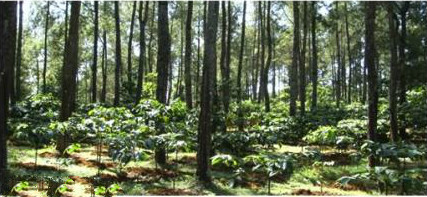
Guatemala Coffee Price latest Guatemala Coffee Price / Wholesale quotation Guatemala's eight largest producers
[guide] the Ekatlago Valley rises to 2000 meters (6500 feet), with dense shade and unique ecology, and the nearby Fuego volcano erupts, making its coarse, sandy soil rich in various minerals. Temperate sea breezes from the Pacific Ocean and seasonal climate have raised the Ekatangol Valley in Guatemala Guatemala to 2000 meters (6500 feet).
2016-04-26 Guatemala Coffee Price latest Wholesale quotation eight Guide Ecca Special
Introduction to the characteristics of the flavor manor of Guatemalan coffee varieties with rich taste
Vivette Nan Fruit is located in the highlands of northwestern Guatemala, growing at an altitude of 1800-2100 meters. It is the highest coffee-producing area in the country and is famous for producing high-quality beans. Because there are many rivers and lakes in Guatemala, the Vivette Nanguo region is rich in mountains and water resources, dry climate but abundant water resources, and complete water conservancy facilities in this area, so coffee is often washed and added.
2016-09-20 Taste full-bodied Guatemala coffee variety flavor manor producing area characteristics introduction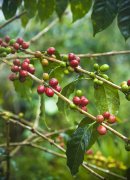
Sidamo Fruit Fruit Coffee with Light to moderate Baking and washing Nuts
The coffee-producing region of Ethiopia is divided into east and west parts by the East African Rift Valley, with lakes, volcanoes, lowlands, plateaus and woodlands interlaced, each evolving. Ethiopia has the most diverse coffee ecosystem in the world (forest coffee, semi-forest coffee, pastoral coffee and plantation coffee), which also preserves its rich Arabica genes. The eastern half is mostly plateaus, coffee beans.
2016-07-04 Dharma Sidamo light medium baking washing nuts fruit boutique